Dongxiang Ethnic Group
Introduction
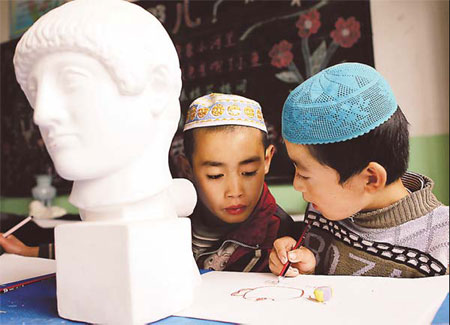
The Dongxiang ethnic group is one of China's 56 recognized ethnic groups. Primarily residing in the Dongxiang autonomous county in Gansu province, the Dongxiang people have a population that is predominantly Muslim. They inhabit a challenging landscape characterized by thousands of ridges and valleys. Historically, the Dongxiang have struggled with issues related to education and economic development, with a significant portion of their population living below the national average income level. Despite these challenges, the Dongxiang community is known for its rich cultural heritage and traditional practices, which include unique clothing, cuisine, and festivals.
Population and Distribution
The Dongxiang population is concentrated in the Dongxiang autonomous county, which is part of the larger Linxia Hui autonomous prefecture in Gansu province. The county is home to approximately 284,000 residents, the majority of whom are of Dongxiang ethnic group. The geographical setting of the county is characterized by its rugged terrain, which includes many ridges and valleys. This challenging landscape has influenced the distribution of the population, with communities often spread out across remote areas. Despite these difficulties, the Dongxiang have managed to retain a cohesive social structure and maintain their cultural traditions.
Language
The Dongxiang language is part of the Mongolic language family. It is an oral language, with no widely-used written script. This has presented challenges in terms of education and literacy within the community. The lack of a written language has necessitated the development of bilingual education programs, particularly at the kindergarten and elementary school levels, to ensure that Dongxiang children are linguistically prepared to engage with the wider world. Efforts have been made to document and preserve the Dongxiang language, recognizing its importance as a cultural and linguistic heritage of the community.
Culture
Traditional Clothing
The traditional clothing of the Dongxiang people is distinct and reflects their cultural heritage. Women often wear long dresses with colorful embroidery and headscarves. The attire is both practical and symbolic, representing the community's values and way of life. Men typically wear simpler garments, which are suited to their agricultural lifestyle. Traditional clothing is an important aspect of Dongxiang culture, often worn during festivals and special occasions.
Festivals
The Dongxiang people celebrate a variety of festivals that are deeply rooted in their Islamic faith and cultural traditions. These festivals often involve communal gatherings, traditional music, dance, and religious observances. Celebrations provide an opportunity for the community to come together and reinforce their cultural identity and social bonds.
Cuisine
Dongxiang cuisine is characterized by the use of locally-sourced ingredients and traditional cooking methods. Staple foods include wheat, corn, and potatoes, often prepared in simple but flavorful dishes. Meat, particularly mutton, is a key component of the Dongxiang diet, reflecting their pastoral lifestyle. Traditional recipes are passed down through generations, forming an integral part of the community's cultural heritage.
Economy
The economy of the Dongxiang ethnic group is primarily based on agriculture and animal husbandry. The challenging geographical conditions of their homeland necessitate a reliance on these traditional forms of subsistence. Most Dongxiang people are farmers, cultivating crops like wheat and corn, and raising livestock such as sheep and goats. In recent years, many Dongxiang have also become migrant workers, seeking employment opportunities outside their homeland to supplement their income. Despite economic challenges, the community is known for its industriousness and resilience.
Cultural Preservation and Promotion
Efforts to preserve and promote the cultural heritage of the Dongxiang ethnic group are ongoing. These initiatives focus on documenting traditional practices, language, and arts, while also encouraging educational opportunities for Dongxiang youth. Education is seen as a vital tool for the community's development, providing a foundation for future economic and social progress. Cultural preservation projects aim to ensure that the Dongxiang's unique identity is recognized and celebrated both within China and beyond.








